
The Death of the SIM Card & What It Means For You
That little plastic chip you’ve been swapping between phones for decades? It’s on its way out. eSIM and iSIM technology are changing the way we connect, and 2026 is the year the shift gets serious. Here’s what you need to know.
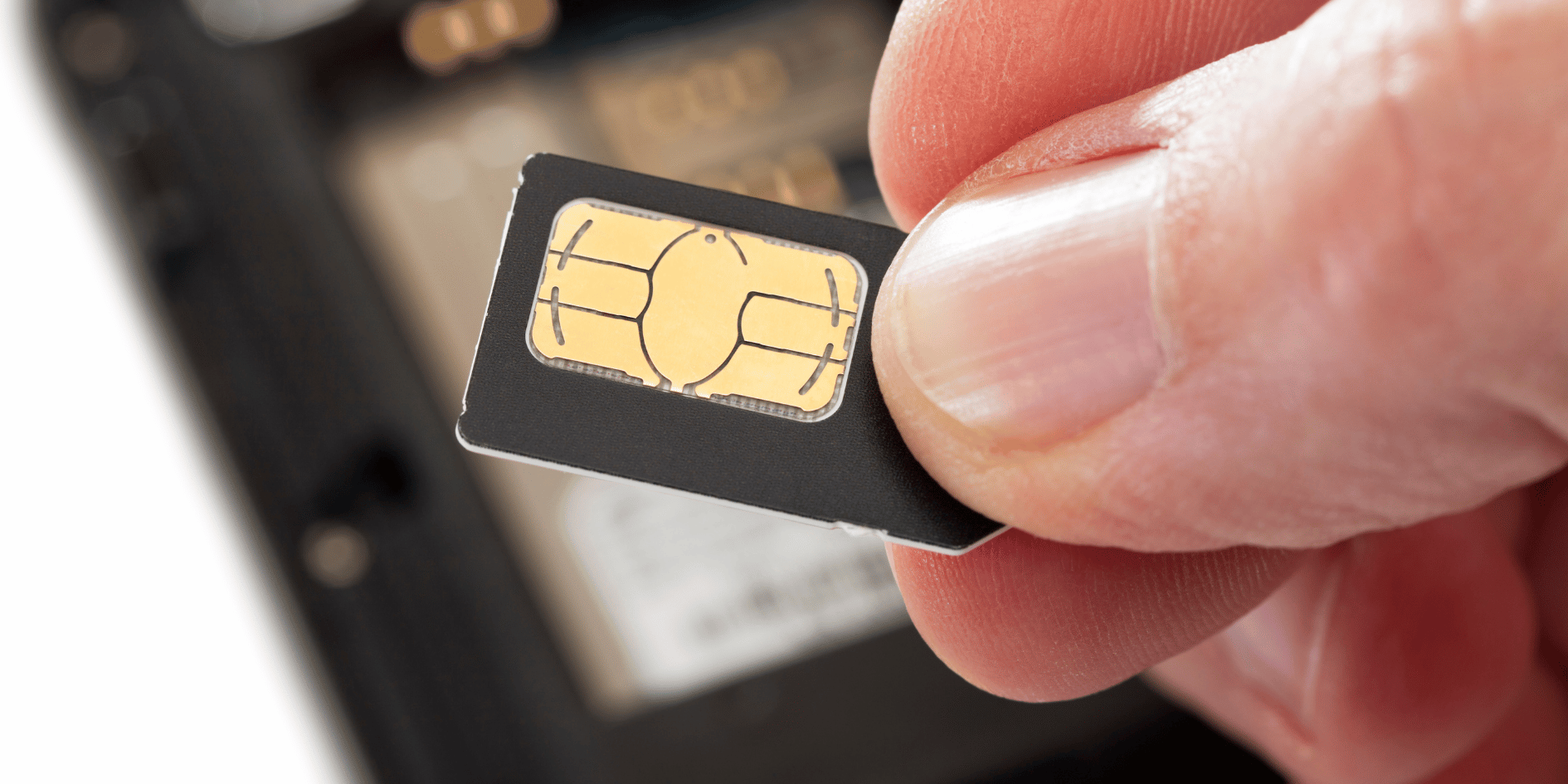
You have probably never thought much about your SIM card. It does its job quietly, sitting in a slot on the side of your phone, linking you to your network. But the humble SIM, that tiny piece of plastic and silicon, is being replaced. And unlike most tech changes, this one will actually make your life noticeably simpler.
Wait… What Is an eSIM Actually?
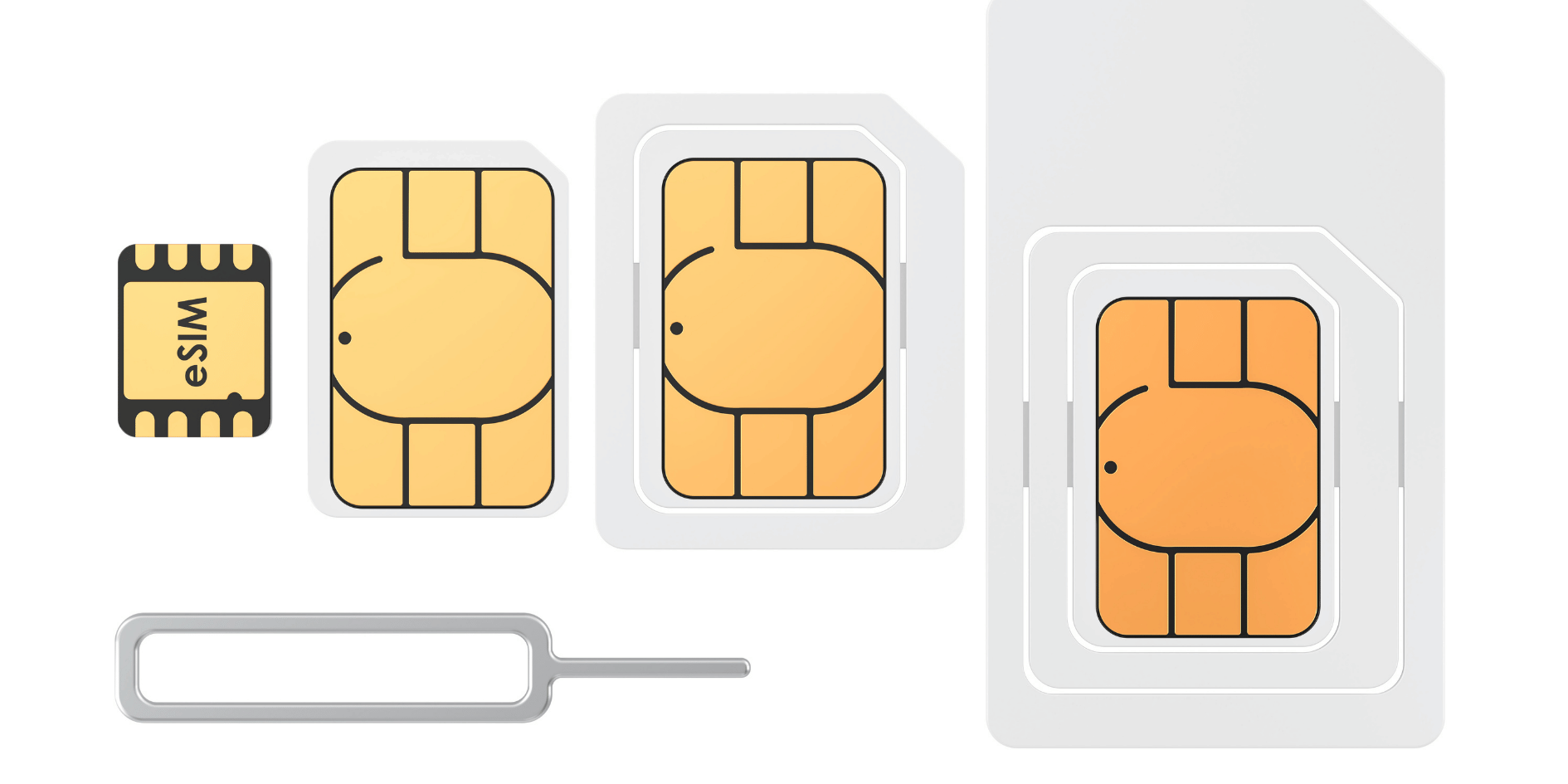
An eSIM (embedded SIM) is a SIM that’s permanently soldered into your phone during manufacturing. You can’t remove it, you can’t lose it, and you don’t need to go to a store to swap it. Instead, you activate or switch networks digitally, by scanning a QR code or going into your phone settings, in a matter of minutes.
It works just like a regular SIM in every other way: same calls, same data, same texts. The only difference is that it lives inside the phone permanently, and switching networks is something you do in software, not with a paper clip and a tray.
1990s – 2010s
Physical SIM Cards, the credit-card-sized chip shrinks over the years to mini, micro, and nano SIM. You swap it between phones manually. Easy to lose, easy to break.
2018 – Now
eSIM Era, Apple, Samsung, Google build eSIMs into flagship devices. You activate and switch networks digitally. iPhone 14 (US) launches as eSIM-only, changing industry expectations overnight.
2025 – 2026 & Beyond
iSIM & Digital-First — SIM functionality moves into the main processor itself. No separate chip at all. Smaller phones, better batteries, tighter security.
And What Is An iSIM?
iSIM goes a step further. Rather than a separate embedded chip, iSIM integrates the SIM functionality directly into the phone’s main processor, the same chip that runs everything else. It takes up virtually no space, uses less power, and is even more secure because it lives in a protected hardware zone that’s extremely difficult to tamper with.
Companies like Qualcomm have been developing this since 2023, and it’s increasingly appearing in the newest flagship and IoT devices. Think of it as eSIM 2.0, less hardware, more intelligence.
Why Is This Happening Now?
The shift is being driven from multiple directions at once. Apple went eSIM-only on US iPhones back in 2022, and when Apple moves, the industry follows. Google and Samsung have followed. Over 800 carriers worldwide now support digital SIM activation. And manufacturers have a practical incentive too: removing the SIM tray reclaims internal space, roughly 10-15% of the phone’s internal volume, which can go toward a bigger battery, better waterproofing, or thinner designs.
“The transition to an eSIM-only era isn’t a question of ‘if’ but ‘when’, and the answer is that it has already begun. For most users, eSIM is now the better choice: more flexible, more secure, and increasingly the only option on new flagship devices.”
What Does This Mean for You, Practically?
Switching networks is instant. No waiting for a new SIM in the post. No visiting a store. You can switch networks in minutes from your settings menu. Travelling internationally? Activate a local data plan before you land, no hunting for a SIM kiosk at the airport.
You’re more secure. Physical SIM cards are vulnerable to SIM-swapping attacks, where a fraudster convinces your carrier to port your number to a new SIM they control. With eSIM, that kind of attack becomes significantly harder. And unlike a physical card, no one can pull your SIM out and put it in another device.
You can hold multiple numbers on one device. Many modern phones support two active eSIM profiles simultaneously, handy if you want to keep a work and personal number on the same handset, or maintain a local data SIM while keeping your home number active.
What About South Africa Specifically?
South Africa’s major networks all support eSIM on compatible devices. If you’re buying a new Samsung Galaxy S26, you can activate your number as an eSIM directly, often without setting foot in a store.
That said, physical SIM cards aren’t vanishing overnight. Many mid-range and budget devices still include a physical SIM slot, and they will continue to do so for several more years, particularly in markets where digital infrastructure needs to catch up. But if you’re buying a flagship phone today, it’s worth understanding how eSIM works and taking advantage of the flexibility it offers.
The Bottom Line
The SIM card isn’t dying dramatically; it’s fading quietly, being absorbed into the phone itself. And for most people, the change will feel like nothing more than an upgrade: a little more flexibility, a little more security, a little less to lose.
eSIM vs physical SIM
| eSIM | Physical SIM | |
|---|---|---|
| Setup | Digital, instant | Physical card, manual |
| Can be lost? | No | Yes |
| Swap networks | In settings, minutes | Swap card physically |
| Multiple profiles | Yes (2+) | One at a time |
| Security | Higher (can’t SIM-swap) | Vulnerable to SIM-swap |
| Travel | Activate before landing | Buy on arrival |