
AI-powered cameras have become one of the strongest selling points in the smartphone market. Today’s consumers are no longer comparing devices based on megapixels alone. Instead, they are looking for phones that use advanced AI processing to produce sharper images, clearer videos and better low-light performance.
For retailers, this shift represents a significant opportunity to increase sales, drive upgrades and expand accessory revenue.
Why AI Cameras Matter for Retailers
Customers want photos and videos that look professionally edited without needing extra apps or equipment. AI camera processing delivers exactly that, which makes it a key decision factor when choosing a device.
Retailers are seeing higher conversion rates on devices that showcase:
- Enhanced low-light photography
- AI-powered portrait enhancement
- Smooth video stabilisation
- Scene recognition
- Real-time optimisation for social media content
These features are easy for consumers to understand and even easier to demonstrate in-store, which helps drive faster decision-making.
AI Requires More Advanced Hardware
Modern AI capabilities depend on stronger processors, increased RAM and enhanced storage. This is driving new demand for more powerful devices across both the entry-level and mid-range categories.
For distributors, this shift results in higher-value stock movement and more consistent demand for AI-ready models.
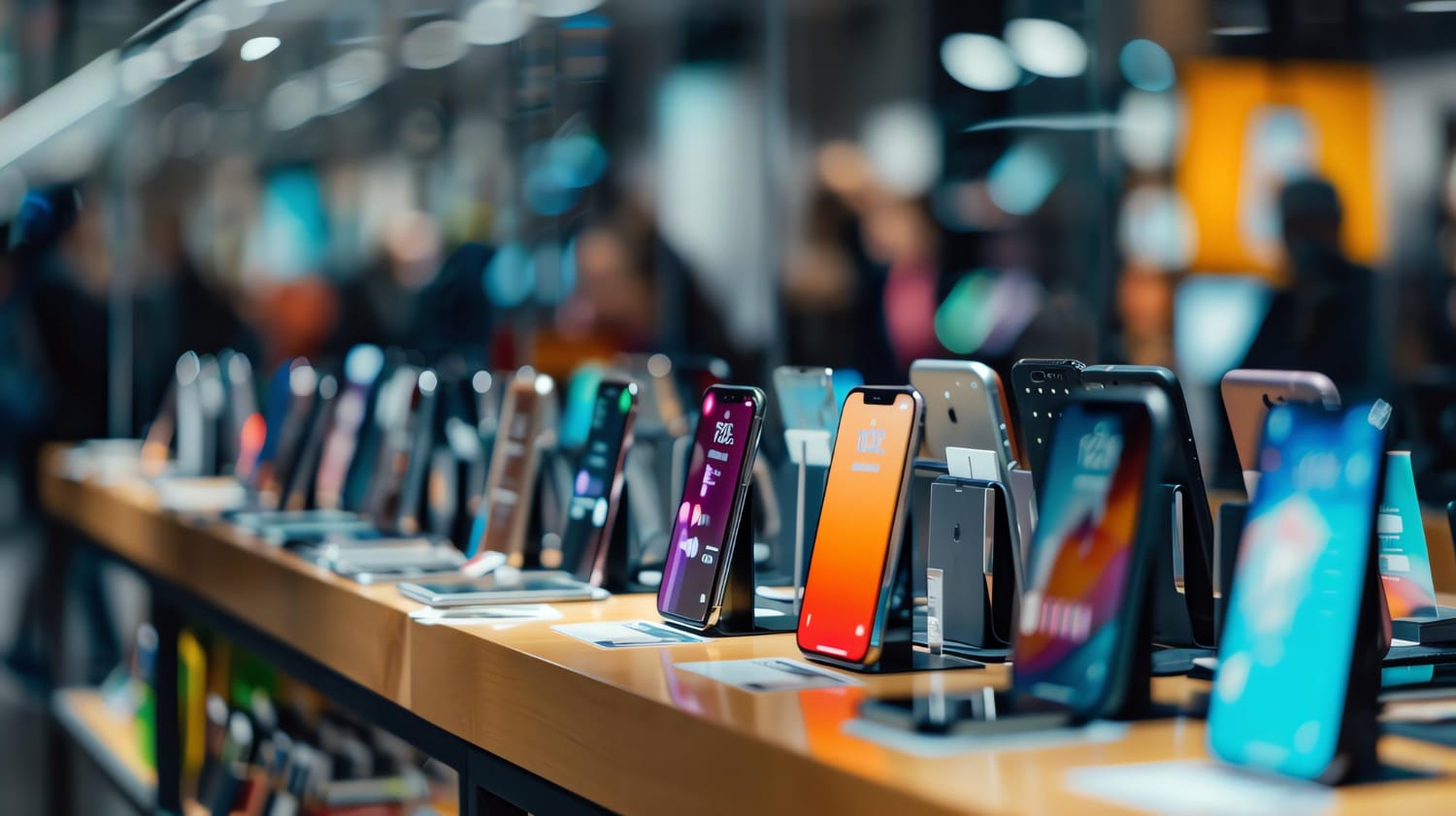
Mid-Range Devices Are Leading the Market
One of the biggest advantages for retailers is that many mid-range smartphones now outperform older premium models thanks to advanced AI software.
This benefits retailers because:
- Mid-range devices move quickly
- Customers see strong value for money
- Price resistance is lower
- Upgrade cycles become shorter
New mid-tier models with improved AI imaging are often the most commercially successful products on the shelf.

Content Creators Are Influencing Device Demand
More customers are buying smartphones specifically for content creation. With the growth of TikTok, Instagram Reels and YouTube Shorts, buyers want a device that delivers high-quality results straight out of the box.
This means retailers benefit when they highlight features such as:
- Video stabilisation
- AI-enhanced selfie cameras
- Fast editing tools
- Optimised colour and skin-tone processing
These features appeal to a wide audience, including students, young professionals, online sellers and influencers.
Accessory Sales Grow With AI Camera Demand
AI-focused photography naturally leads customers to purchase additional accessories. Retailers consistently see strong add-on sales, including:
- Tripods and stabilisers
- Powerbanks
- Wireless earbuds
- On-the-go lighting attachments
- Protective cases
- Fast charging adapters
Pairing devices with creator-friendly accessories increases average basket value and improves customer satisfaction.

Why This Trend Matters for Retail Partners
The rise of AI imaging gives retailers several advantages:
- Stronger selling points on mid-range models
- Higher turnover due to high consumer interest
- A wider appeal to youth and social media-driven buyers
- Increased accessory sales
- Better upsell opportunities in-store and online
Retailers who educate customers about AI camera features often see faster device movement and reduced comparison shopping.
How 3G Mobile Supports Retailers With AI Camera Trends
3G Mobile supplies a wide range of leading smartphone brands with advanced AI-powered camera systems. Retail partners benefit from:
- Consistent stock availability
- Competitive wholesale pricing
- Fast regional distribution
- A wide selection of mid-range and premium devices
This ensures retailers can meet the expectations of modern consumers and continue to grow within the evolving smartphone market.
AI-optimised cameras are shaping how customers choose their next device.
For retailers, this trend creates new opportunities to increase sales, improve margins and position the latest mid-range models as high-value options.
With strong support from a trusted distributor, retailers can confidently stock the devices consumers are actively searching for in 2025, heading into 2026.